
Mission Statement
Lupine Lane strives to instill a love of learning and creativity in every child. Our prime intention is to mindfully and heartfully guide the whole child through a project-based approach to education.
Foundation
Whole Child Scope
Our curriculum’s foundation considers the whole child, according to their unique developmental level and personality. This foundation is implemented school-wide. Our Whole Child Scope encompasses four key areas of development, each of which are equally important: cognitive, social-emotional, creative and physical. The four categories are expanded upon into subcategories, outlined below, and then a final step further into our Key Developmental Goals, or specific objectives which are uniquely relevant to each developmental level we serve.
Cognitive
– Literacy
– Mathematics
– Culture/Language
– Science/Technology
Social/Emotional
– Interpersonal Skills
– Intrapersonal Skills
– Community
Creative
– Visual Arts
– Music
– Nature
Physical
– Sensory/Body Awareness
– Fine Motor Skills
– Gross Motor Skills
Key Developmental Goals
The Whole Child Scope is a framework for our Key Developmental Goals. The Key Developmental Goals are based on key child development theories and current research. These goals are specific to each developmental level and outline objectives which teachers use to guide children toward through Topic Studies. Each Topic Study may take two weeks to four months. Teachers outline each week’s plan to realize the Topic Study in their Weekly Intentions. These lessons and activities for each of the subcategories guide children toward the following Key Developmental Goals.
- – 2 to 3 Years Key Developmental Goals
- – 3 to 4 Years Key Developmental Goals
- – 4 to 5 Years Key Developmental Goals
- – 5 to 6 Years Key Developmental Goals
Key Child Development Theories and Current Research
Key Child Development Theories ensure that teachers guide each child in a developmentally appropriate and intentional manner. We utilize theory from: Jean Piaget, Erik Erikson, Abraham Maslow, Lev Vygotsky, John Dewey, Louise Derman-Sparks and Howard Gardner in addition to current research. This additional level of justification ensures that short and long-term goals have specific intention and rationale in early childhood development.
In the Classroom
Topic Study
Our curriculum is child-driven. This means individual classes utilize an interest-based exploration to ignite each child’s focus on a particular topic. When a topic of interest is discovered through exploration, discussion, observation and reflection, the class begins an in depth, multidimensional, interdisciplinary focus that lasts a couple of weeks to several months per topic. This approach includes progressive projects, which are supported with relevant and developmentally appropriate daily activities, materials and supplies. These practical, real-world experiences are provided within a caring, supportive environment and balanced with autonomous play experiences that support the Topic Study. This approach provides children with a balance of structure and freedom so they can fully benefit from their time during their early childhood years at school.
Below are links to blog posts on Topic Studies from each age group we serve. Find out more about how this child-driven, experiential, multi-dimensional method of teaching and learning provide children with endless opportunities to develop knowledge and skills, and, perhaps most importantly, instill a love for learning and creating.
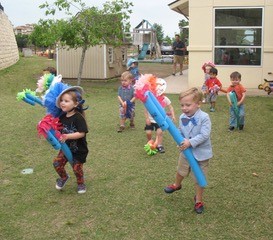
Ducklings’ Derby Day Topic Study
18 Months to 2.5 Years
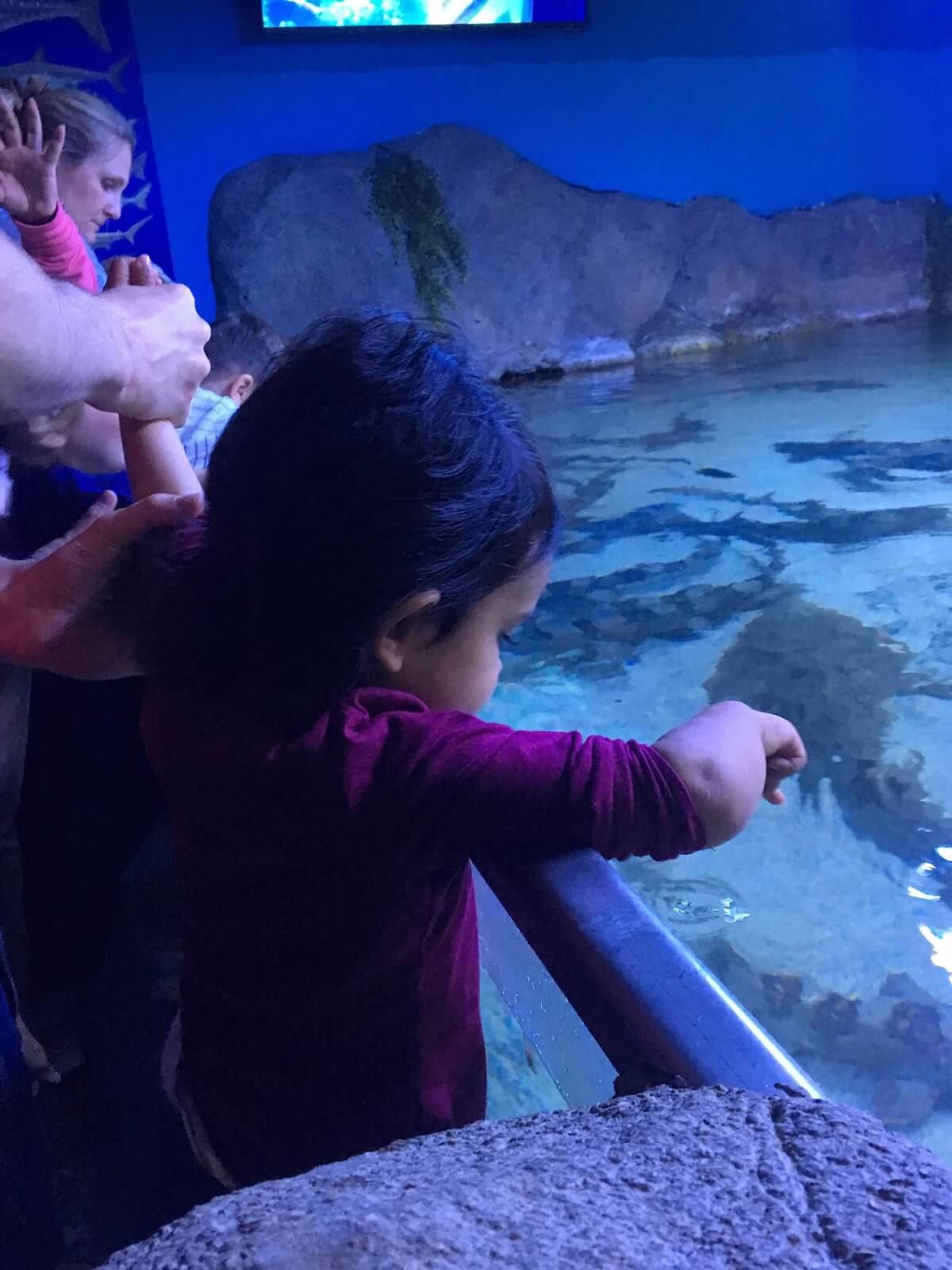
Hummingbirds’ Ocean Exploration Topic Study
2 to 3 Years
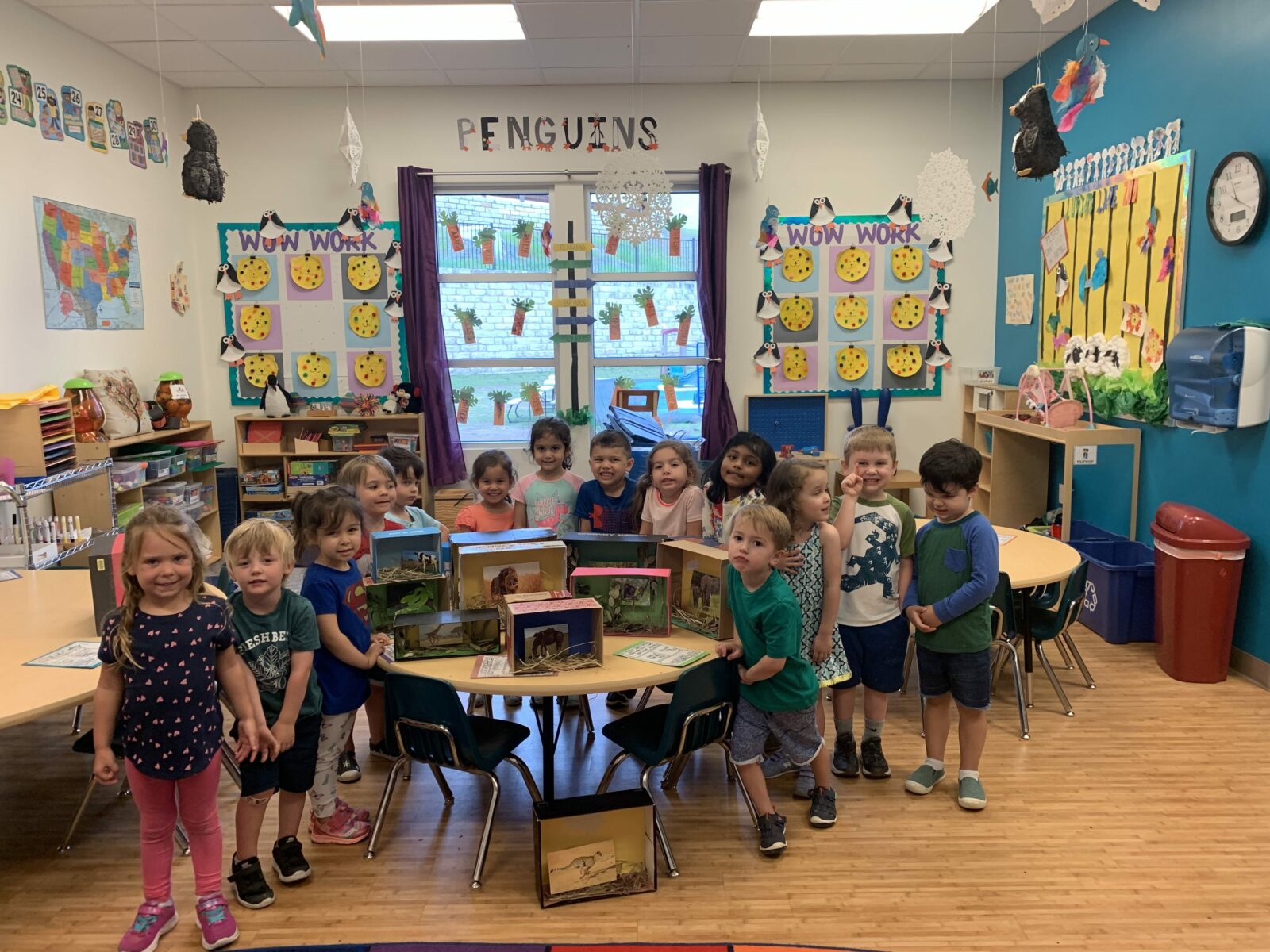
Penguins’ Animals and Their Habitats Topic Study
3 to 4 Years
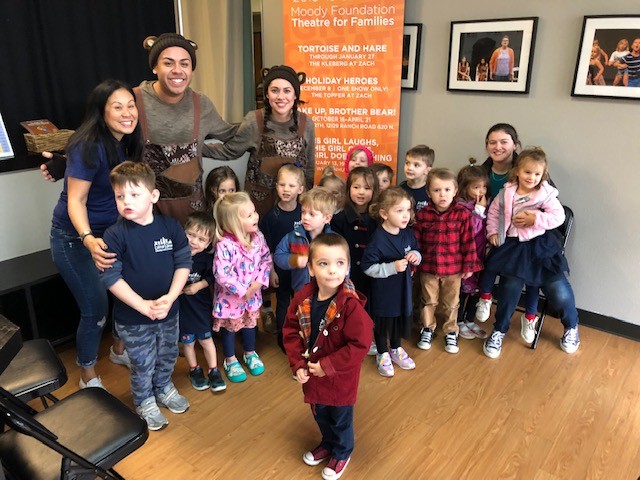
Parrots’ Fun with Theatre Topic Study
3 to 4 Years
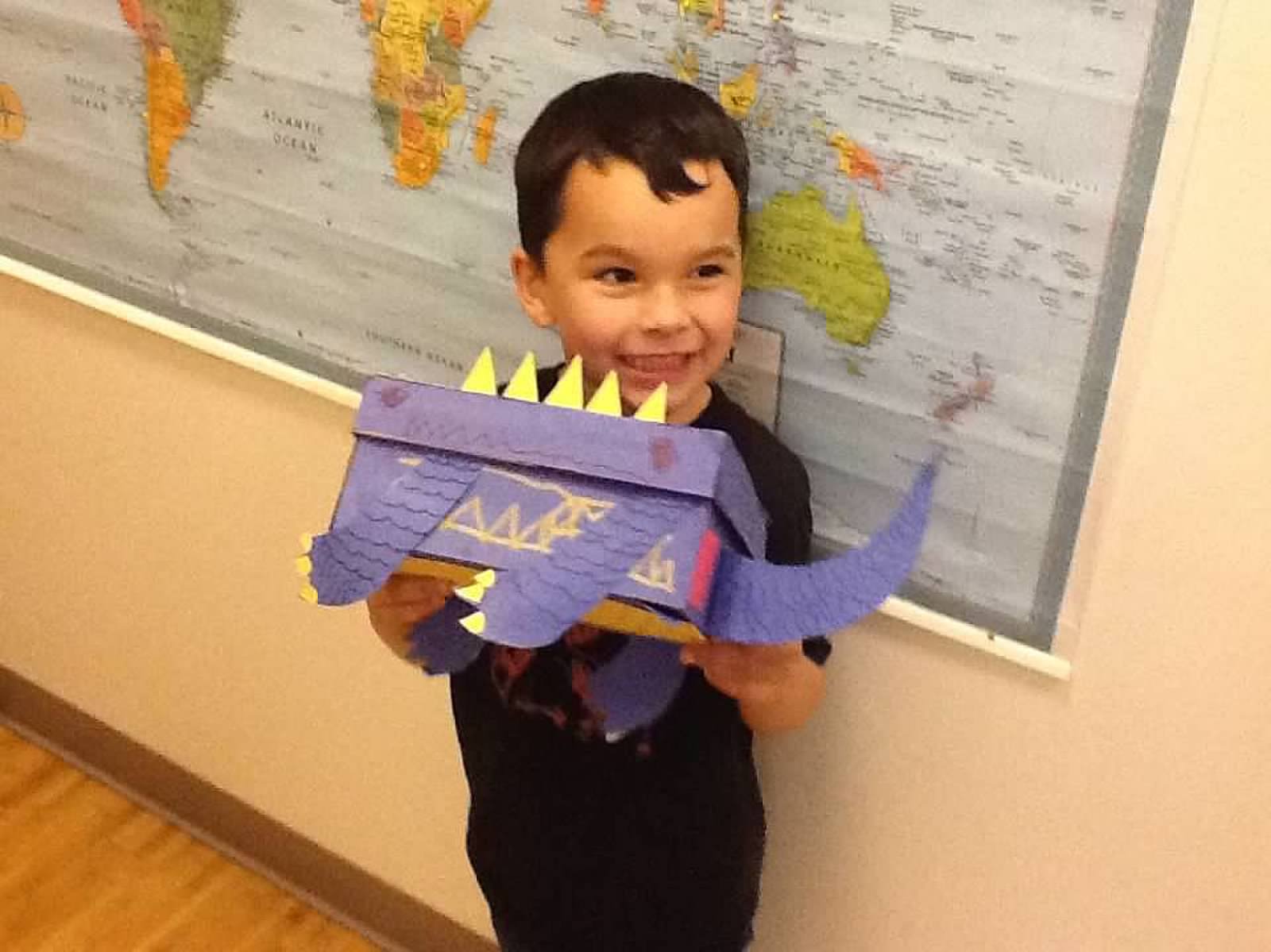
Peacocks’ Dinosaur Topic Study Topic Study
4 to 5 Years
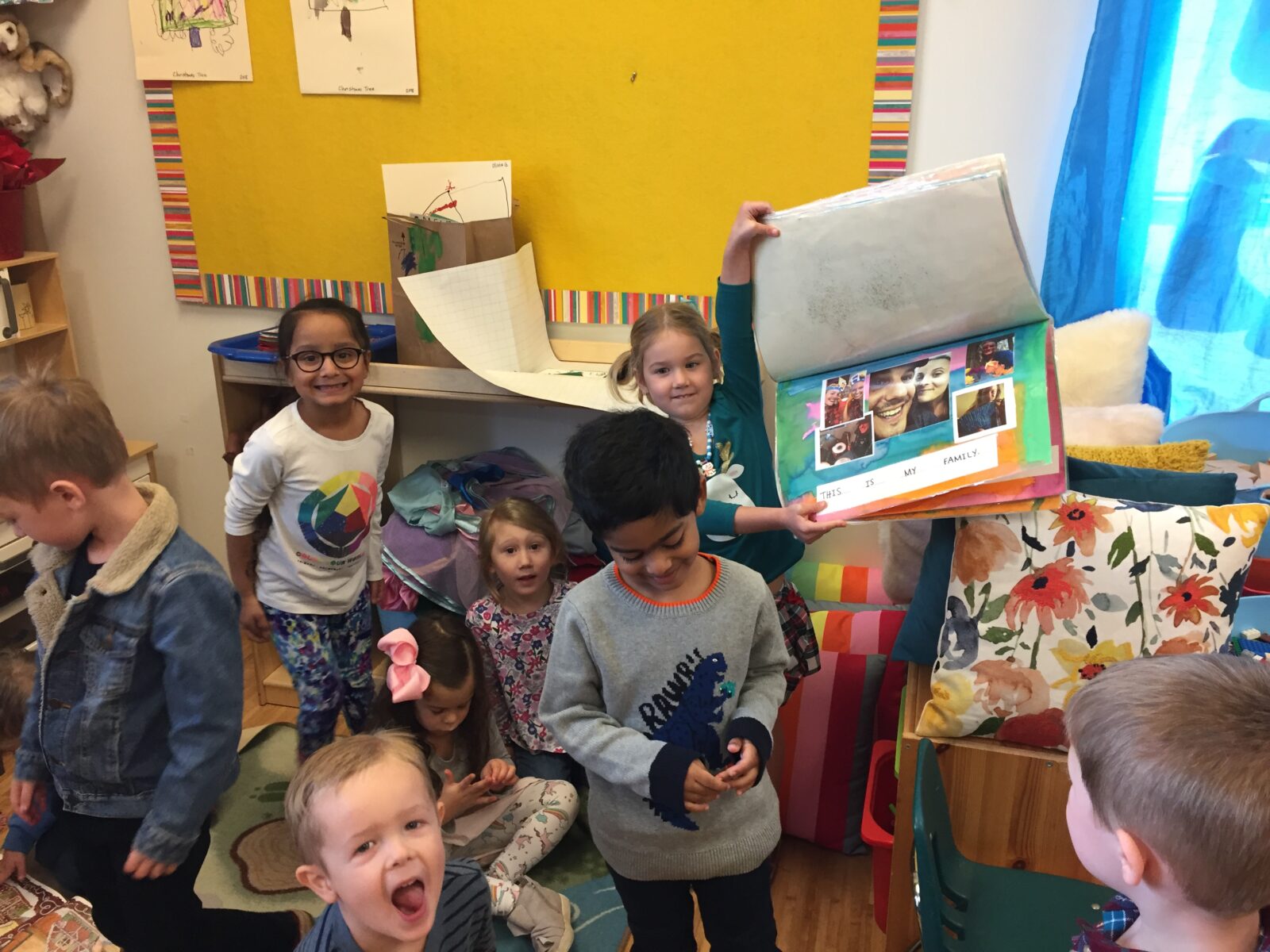
Owls’ Friends and Family Topic Study
4 to 5 Years
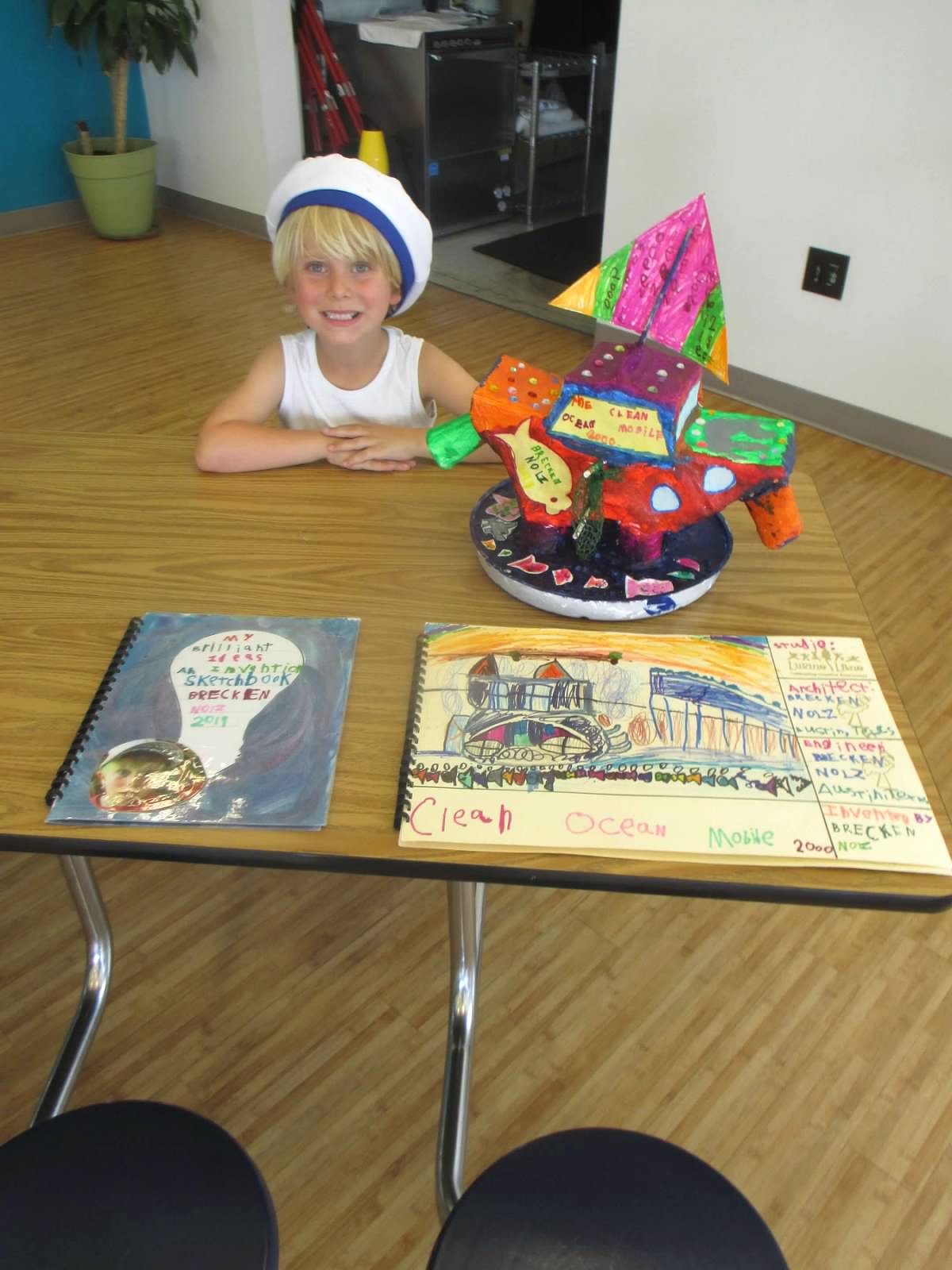
Flamingos’ Invention Topic Study
5 to 6 Years
Weekly Intentions
The Weekly Intentions are the teacher’s plans for their class each week. Our teachers develop their class Weekly Intentions using the framework of our Whole Child Scope and The Key Developmental Goals for the developmental level of their class. This ensures that the four key areas of development (cognitive, social-emotional, creative and physical) as well as the objectives are constantly considered as Topic Studies unfold in each class. The Weekly Intentions are emailed to families each week as well as posted outside of each classroom.
Weekly Reflections and Photos
Each week, teachers document the children’s classroom experience through a weekly reflection sent via email and include photos to the classroom’s photos as well as the next week’s Weekly Intentions. Teachers provide their account of how the children interpreted the previous Weekly Intentions and how kids are working toward the Key Developmental Goals for their developmental level. This consistent, on-going, subjective assessment provides an overview of the children’s experiences at school through both written and photo documentation.
Key Developmental Goals Assessment
Key Developmental Goals are converted into objective assessment tools, with a subjective component since we value both equally. Key Developmental Goal Assessments are completed each semester and presented to the child’s family during fall and spring family/teacher conferences. A digital copy is provided to each family and retained in the child’s file at school to inform the child’s teacher the following year.
Family/Teacher Conferences
Family/Teacher Conferences are provided once during the middle of the fall semester and once at the end of the spring semester. At each conference, teachers present the Key Developmental Goals Assessment to the child’s family and discuss the child’s progress overall.
Pingback: Child Care in Lake Travis: Day Cares and Preschools for Your Future Cavs